Entry · Ref WAQYZ2PC
ADA Portable Bathroom Requirements for General Portable Bathroom Rentals
- Posted
- 2026-09-26
- Last amended
- 2026-09-26
- Account
- @zanderdzlu792
When someone leas portable bathrooms for a wedding event, a street reasonable, a church barbecue, a county concert, or a momentary jobsite available to the general public, accessibility is not a side concern. It becomes part of whether people can go to pleasantly, securely, and with self-respect. That point gets lost surprisingly often, generally not out of poor intent, yet due to the fact that coordinators think a conventional portable bathroom lineup suffices if they add enough systems on the whole. It is not.
For general mobile toilet rentals in the United States, the regulating government availability criterion is the 2010 ADA Criteria for Accessible Layout, as analyzed by the united state Gain Access To Board and the Department of Justice. That issues since a great deal of confusion still drifts around the rental market. People listen to terms like ada mobile bathroom, ada compliant portable toilet, ada obtainable portable restroom, or ada certified obtainable mobile toilets and assume the label alone clears up the concern. It does not. The criterion is what issues, and the useful configuration on site matters just as much as the system itself.
I have seen this play out in regular situations. A rental firm delivers one bigger unit and everyone unwinds, believing the access box has actually been inspected. Then the unit obtains positioned at the much side of a sloppy area, behind a visual, or without any useful method for a wheelchair user. Theoretically, an available unit was leased. In reality, gain access to was still rejected. That void in between getting the best devices and creating real accessibility is where numerous avoidable issues begin.
What the ADA requires for general mobile commode rentals
For clusters of mobile single-user toilet units, at the very least 5 percent of the systems in each cluster need to be accessible. The Accessibility Board has explained that this uses even at short-term occasions. That solitary guideline answers among one of the most usual questions event organizers ask: if you are grouping mobile commodes together, you do not choose availability system by device based on guesswork or presence assumptions. You check out the collection and ensure at least 5 percent of that cluster is accessible.
That demand is uncomplicated in concept, yet individuals still stumble over the word "cluster." In method, this means you can not treat availability as optional even if the setup is short-term, outdoors, or only in position for a weekend. Short-lived does not suggest exempt. A public-facing mobile commode leasing plan still has to account for obtainable use.
There is one vital distinction worth specifying thoroughly. The ADA requirements identify portable commode devices at construction sites that are made use of solely by construction workers. Those are cured differently under the older 1991 common language referenced in the confirmed context. Yet this post has to do with general mobile bathroom rentals, not that narrow construction-only scenario. For basic leasings, the accessible-unit need remains.
That difference issues because some individuals borrow language from building and construction methods and use it as well generally. An event, charity run, family members get-together at a park, or community occasion is not the same as a mobile unit booked only for building and construction employees. If the rental is for general use, ease of access is part of the requirement.
"Accessible" implies greater than a bigger box
A real ada compliant portable bathroom is not just a roomy device with a wider feeling. The ADA criteria need greater than added square footage. Portable easily accessible systems have to be understood the International Icon of Ease Of Access. They additionally need to have an accessible course and entryway, and any type of needed ramps or landings should follow ADA technological requirements.
Inside the device, the technological needs for commode spaces still apply. That consists of component clearances, transforming space, door navigating clearances, and applicable grab bar and water storage room clearance regulations. This is where a great deal of unclear advertising and marketing language falls apart. A vendor may market ada-compliant portable toilets or ada certified mobile bathrooms, yet if the real setup does not sustain entrance, turning, and use under the ADA technical rules, the label alone is not enough.
The practical lesson is basic. Availability is a system, not a sticker label. The device, the entrance, the path to the entrance, and the interior format all need to work together.
Why placement is typically the actual problem
If there is one problem that triggers much more difficulty than getting the incorrect system, it is positioning the right system in the wrong location.
An ada mobile washroom can be rendered properly unusable by website conditions. A couple of instances turn up time and again. The device is established on unequal ground that moves under wheels. The route to the unit goes across soft grass, loosened gravel, or a lip that obstructs entry. The cluster rests behind barricades with insufficient maneuvering space. The door opens up right into an awkward area without sensible method. The sign is present, yet the experience is not accessible.
That is why the accessible path demand deserves more interest than it usually gets. People naturally focus on the portable toilet itself because it is the rented out item. However the course to it is just as crucial. An individual can not use an ada handicap easily accessible mobile toilet if they can not reach the entrance in the first place.
This shows up at outdoor events more often than several organizers anticipate. An area that really feels "mostly level" when you stroll it in dry footwear may be extremely various for a mobility device customer, someone making use of a walker, or a guest with limited balance. Even little modifications in grade, soft ground, or bad shifts can make gain access to difficult or impossible. The ADA's route and entry needs exist for a factor. They are not technical facts. They show how people actually move via a site.
Temporary occasions still count
One of one of the most relentless misunderstandings is that the regulations loosen up when an event is short-term. They do not. The Accessibility Board's guidance explains that the 5 percent obtainable requirement applies also at momentary events.
That point ought to work out a dispute that pops up every spring and summertime. A pop-up beer garden, a one-day arts market, a weekend tournament, or a parade hosting area might feel casual, yet if mobile single-user bathroom units are gathered there, accessibility still has to be part of the plan. "It's just for a day" is not a defense, and it is very little convenience to a visitor who gets here and discovers no useful restroom.
The very same concept applies to occasion scale. Tiny events are not automatically excused. Huge events are not the just one that need an ada mobile commode rental method. Even a small celebration can leave individuals out if access is treated as optional.
The signage piece is very easy to overlook
Accessible mobile commode devices must be understood the International Symbol of Availability. This might sound like a small information compared to route and clearance requirements, yet it matters in practice.
When signs is missing or unclear, guests typically waste time searching, asking personnel, or opening up doors that do not fulfill their requirements. That is annoying for anybody, and for people handling pain, necessity, fatigue, or flexibility limitations, it can transform a manageable outing right into an unpleasant one. Clear recognition helps individuals find the best device rapidly and with much less stress.
It also helps staff and volunteers straight visitors appropriately. At busy occasions, front-line employees are usually answering inquiries while handling a lots various other jobs. If the easily accessible system is correctly noted and smartly put, the whole interaction becomes smoother.
Counting units correctly
The 5 percent policy appears mathematically straightforward, yet it still creates uncertainty because individuals desire a crisp one-size-fits-all formula for every single situation. The core rule is the component we can specify with confidence from the confirmed context: a minimum of 5 percent of the devices in each cluster have to be accessible.
The better takeaway is not to get smart with the mathematics or the format. If you are organizing basic portable commode leasings, assume in terms of the actual clusters you are producing on the ground. If there are a number of different financial institutions of units throughout a website, accessibility needs to be taken into consideration where people will genuinely require it. Dealing with one distant easily accessible device as if it offers every organizing well is typically where organizers wander away from the spirit and feature of the standard.
This is where empathy assists. Think of participating in an occasion with movement limitations and being informed the available alternative exists, but it is across the place, past crowds, and down a path that is hard to browse. Technically existing is not the like sensibly usable.
Questions to clear up previously distribution day
Most access blunders occur prior to the vehicle arrives. They start in the planning discussion, when no person asks sufficient follow-up concerns concerning where the units will go and who will certainly be using them.
A short planning check can prevent a lot of the usual failings:
- Is the service for general usage rather than a construction-only usage minimal solely to building personnel?
- Will each collection include a minimum of 5 percent obtainable units?
- Is there an available course to the device's entrance?
- If ramps or touchdowns are needed, will they adhere to ADA technological requirements?
- Will the accessible system be clearly related to the International Sign of Accessibility?
That is not an abstract compliance workout. It is a functional handoff in between organizer, site supervisor, and rental carrier. When those 5 concerns are answered early, the possibility of a last-minute shuffle drops sharply.
What tenants ought to ask providers, and what vendors must ask back
The finest portable bathroom rental conversations are specific. If a customer simply asks for "one handicap system," there is a danger that everybody leaves way too much unsaid. A much better conversation covers the nature of the event, whether the devices are gathered, where they will be placed, and how guests will certainly reach them.
For consumers, this means requesting greater than a broad promise of access. Terms like ada certified mobile washroom, ada-compliant portable commode, or ada certified portable commodes should result in useful inquiries. Will the device be significant appropriately? Does the website support an easily accessible path? Exists enough room for strategy and door maneuvering? Are the surrounding surfaces convenient? If additional features like ramps or touchdowns are required, are they being planned in a manner that complies with ADA requirements?
For suppliers, the responsibility is not just to deliver inventory. It is to comprehend whether the intended placement will certainly undermine ease of access. A reliable provider recognizes that a genuinely functional ada mobile toilet depends upon the website as high as the system. Also if final placement choices come from the organizer or property supervisor, suppliers do everyone a favor when they ask difficult inquiries very early instead of accepting obscure directions and hoping for the best.
A few usual mistakes that trigger trouble
These are the problems I see most often generally portable commode planning:
- Renting an accessible unit but falling short to supply an accessible path to it.
- Treating a short-lived occasion as if access policies do not apply.
- Assuming a larger unit is automatically ADA certified without inspecting the complete requirements.
- Forgetting clear recognition with the International Icon of Accessibility.
- Concentrating obtainable solution also far where people actually need it.
None of these blunders are significant by themselves. That is specifically why they happen. They look tiny on a preparation spreadsheet and huge in a visitor's lived experience.
The construction-site exemption, took care of carefully
Because this topic creates confusion, it deserves reviewing the building factor with treatment. The confirmed context notes a difference for mobile commode units at building and construction sites made use of specifically by building personnel. That is a specific scenario. It ought to not be stretched into a blanket justification for basic rentals.
If the leasing circumstance is a public event, customer-facing service usage, neighborhood function, or any type of various other general-use plan, the more secure and a lot more exact framework is to deal with the https://knoxtuwx628.terracolumn.com/posts/ada-mobile-restroom-access-what-rental-service-providers-and-clients-need-to-know accessible-unit need as applicable. Way too many coordinators listen to "building and construction" and believe any type of temporary arrangement shares the exact same treatment. It does not.
This is just one of those areas where a slim exception can develop wide misconception. When doubtful, identify the actual usage truthfully. If the devices are for basic users, plan for availability accordingly.
Compliance is occurring in a broader ADA environment
Accessibility planning for portable toilets does not exist alone. In 2026, the wider conformity atmosphere continued to show active ADA attention across industries. One pertinent instance is the Department of Justice assistance extending the target date for state and local government internet and mobile accessibility rules to April 26, 2027 for larger entities. That development is not about mobile bathrooms straight, but it shows something essential: ADA conformity is not fading into the history. It continues to be a live area of responsibility and enforcement.
That wider context need to encourage severity, not stress and anxiety. For the majority of organizers and rental companies, the goal is illegal movie theater. It is average proficiency. If people are welcomed to an area, they must be able to utilize the restroom there. That is a basic part of friendliness, access, and public accommodation.
Good accessibility preparation really feels average to the guest
The best available restroom configuration hardly ever obtains praise because it does not require any individual to think about it. Visitors show up, locate the ideal unit, take a trip a usable course, go into without a struggle, and carry on with their day. That level of smoothness is the point.
Poor preparation, on the various other hand, comes to be memorable quick. A visitor has to ask 3 team member where the ada available mobile restroom is. The device is practically present however obstructed by terrain. A member of the family needs to scout ahead in embarrassment. Somebody leaves earlier than intended since they can not rely upon the centers. Those stories traveling, and they should. They disclose whether an occasion welcomed people in an actual feeling or in the language of a flyer.
For organizers, this is not simply a conformity concern. It is a depend on issue. If participants with impairments can not count on washroom access, they might hesitate to return following year, and they may suggest others as necessary. The very same holds true for clients selecting vendors. Rental firms that recognize ease of access, ask good questions, and assist consumers prevent typical mistakes come to be much more valuable than business that simply drop units and depart.
Practical judgment issues as much as the rulebook
The rulebook gives the structure. Real-world judgment makes it work.
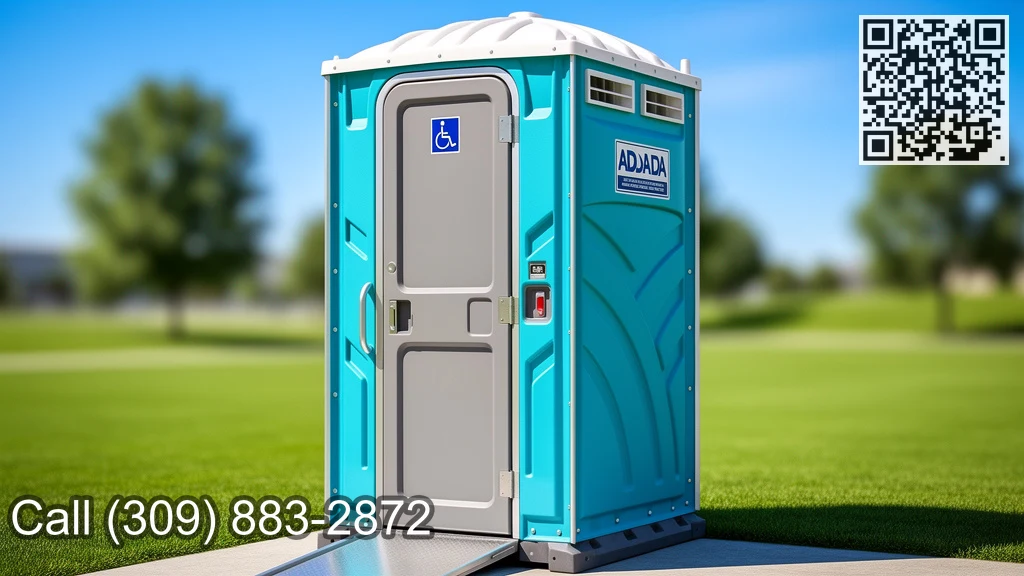
An ada certified mobile bathroom placed where people can in fact reach it is better than a nominally certified configuration positioned carelessly. A tactical collection that represents course, strategy, and recognition offers visitors much better than a rushed order placed the night prior to an occasion. None of that alters the legal criterion, but it does mirror just how compliance is successful in the field.
That is why skilled organizers develop access into the very first site stroll, not the last-minute cleanup listing. They consider the ground conditions, crowd flow, range from crucial task areas, and whether the available choice is genuinely incorporated into the restroom strategy instead of tacked onto it.
When individuals make use of expressions like ada-compliant portable washrooms or ada portable commode requirements, they are frequently looking for an item requirements. What they truly need is a site-wide mindset. The device has to fulfill the appropriate toilet-room technical requirements. The course has to come. The entry has to function. Ramps or landings, when needed, should conform. The device needs to be identified effectively. And the percentage demand for each collection should be respected.
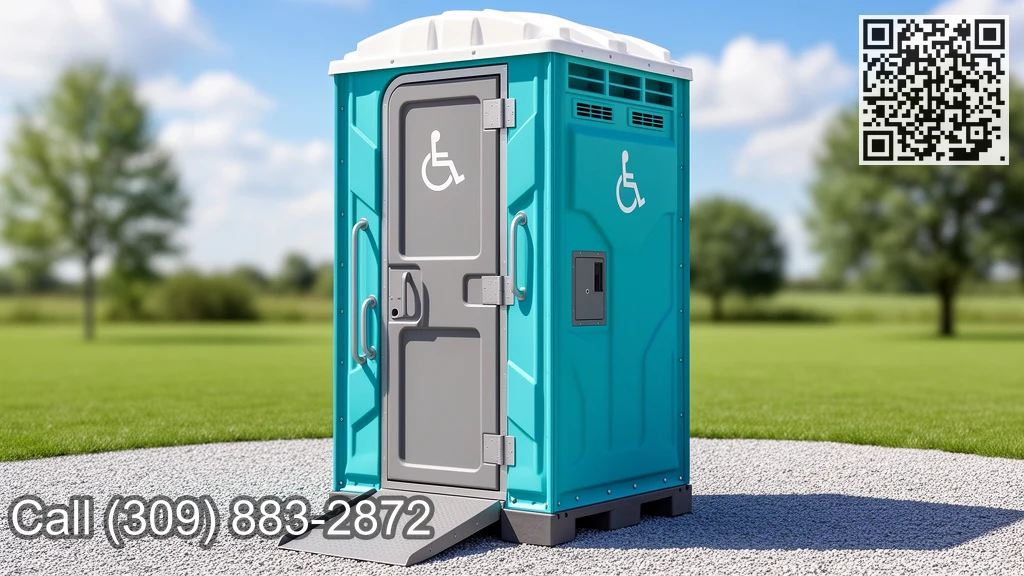
That might sound like a great deal up until you remember what goes to risk. It is not paperwork for its very own sake. It is whether an individual can participate in the very same occasion as every person else and satisfy a fundamental human need without obstacles, pain, or dependence.
The common every general occupant ought to remember
If you remember just the fundamentals, keep in mind these. For basic mobile toilet rentals in the United States, the managing federal requirement is the 2010 ADA Specifications for Accessible Layout. In clusters of portable single-user toilet systems, at least 5 percent of the units in each collection have to come, including at momentary occasions. Available units have to display the International Icon of Availability. They have to be offered by an accessible route and entryway, with any needed ramps or landings meeting ADA technical demands. And the units need to please the appropriate toilet-room technological rules, including clearances, turning room, door navigating clearances, and pertinent grab bar and water closet clearance requirements.
Everything else is execution.
If you are renting for a basic target market, treat availability as part of the core order, not an add-on. Ask much more concerns than really feel strictly needed. Stroll the path before the event begins. Take a look at the website with the eyes of a visitor who can not tip over curbs, press quickly via soft ground, or press via a tight approach. That added treatment is seldom complicated, and it makes a noticeable difference.
A tactical ada portable toilet service does not just meet a demand. It makes the occasion extra functional, more welcoming, and extra respectful for the people that appear anticipating to participate fully. That is a standard worth meeting every time.
 Ask ChatGPT
 Ask Grok
 Ask Perplexity
 Ask Claude
 Ask Google AI
 Ask You